Basic Oral Information & Preventing Methods A beautiful smile requires proper dental
care. Teeth Care Why brushing? Brushing should be performed with a toothbrush and fluoride toothpaste at least twice a day and preferably after every meal and snack. Effective brushing must clean each outer tooth surface, inner tooth surface, and the flat chewing surface of the back teeth. Tooth brushing is the most commonly recommended and performed oral hygiene behavior and is done ubiquitously in developed nations. It is the primary mechanical means for removing dental plaque, thereby assisting in the prevention of oral diseases including gingivitis and dental caries
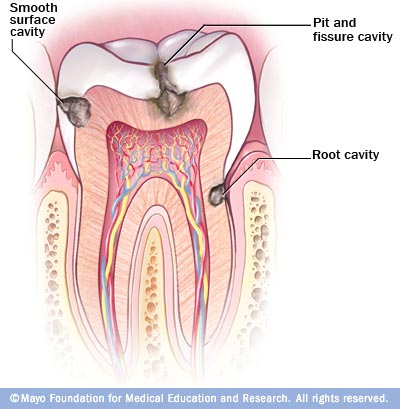
Extra tips and precautions Don’t use high pressure to vibrate the gingival area, as it can damage the gingival area, and bleeding can occur.Use a soft bristle toothbrush rather than a hard one, as the softer one can go well deep into the interproximal areas.Have patience, as this method is a bit time taking, but is beneficial. Oral Hygiene Definition Oral Hygiene is the practice of keeping the mouth clean and healthy to prevent tooth decay and gum disease. The purpose of oral hygiene is to prevent the build-up of plaque, the sticky film of bacteria and food that forms on the teeth. Plaque adheres to the crevices and fissures of the teeth and generates acids that, when not removed on a regular basis, slowly eat away, or decay, the protective enamel surface of the teeth, causing holes (cavities) to form. Plaque also irritates gum and can lead to gum disease and tooth loss.
Extra Information What is Plaque? Plaque is a sticky, colorless deposit of bacteria that is constantly forming on the tooth surface.Saliva, food and fluids combine to produce these deposits that collect where the teeth and gums meet. Plaque buildup is the primary factor in periodontal (gum) disease. What is Tartar? When plaque accumulates and is not removed from teeth, it can harden and turn into tartar.Tartar is a deposit that forms when plaque hardens on the tooth.these deposits build up faster with age. Tartar is easily noticeable because of its yellow or brown color on teeth. Preventative Care
The American Dental Association recommends brushing teeth twice a day for dental hygiene and to help promote dental health. Moreover, have regular dental check up, which includes a teeth cleaning at least twice a year.Many people have a fear of dentists and often neglect the proper care of their teeth in the process. Dental Care can reduce the risk of infections, diseases and help a person maintain a beautiful smile.
|
||||||||||